Mixtape Culture and the Best UK Mixes of the Last Decade
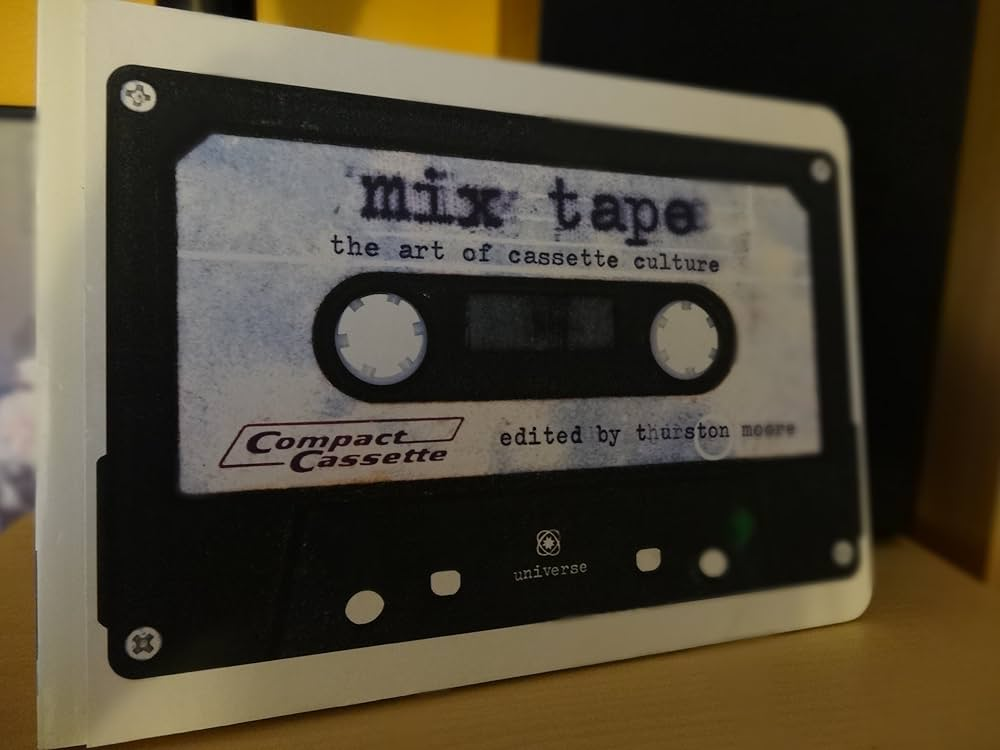
Before streaming algorithms dictated our taste, a raw, physical mixtape was the ultimate proof of a DJ’s skill, a coveted artefact that pulsed with the lifeblood of UK music scenes. It was a statement, a story, and a secret handshake all rolled into one. From the hiss of a dubbed cassette passed between friends to the pristine digital files we stream today, the mixtape has been the foundational currency of UK DJ culture, shaping sounds from dub and jungle to grime and house. This is the story of that culture, its seismic evolution, and a celebration of the best UK mixes that have defined the last ten years.
What Is Mixtape Culture and Why Does It Matter?
Mixtape culture in the UK isn’t just about compiling songs; it’s a dynamic, grassroots ecosystem for musical innovation and community. Its roots dig deep into Jamaican soundsystem traditions, where exclusive ‘dubplate’ recordings were the ultimate weapon in a sound clash. This ethos of exclusivity and live craft translated perfectly to the UK, fuelling pirate radio stations like the legendary Rinse FM, where DJs would test new tracks and craft live mixes for a dedicated audience. Later, the raw energy of early grime and UK garage was captured on low-budget DVD mixtapes, spreading street-level anthems far beyond the pirate airwaves. The mixtape was, and remains, a direct line from the DJ’s booth to the listener’s ear, unfiltered by commercial gatekeepers.
From Cassette Tapes to Digital Downloads
The journey is a tale of technological adaptation. It began with painstakingly recorded cassette tapes, often sourced from radio broadcasts or recorded live in bedrooms. These were physical trophies. The CD-R revolution increased accessibility and sound quality, allowing bedroom producers and DJs to duplicate and sell their mixes outside clubs. Finally, the shift to digital downloads and streaming severed the physical link but exponentially increased global reach, allowing a mix from a London bedroom to find a home in headphones worldwide overnight.
The Promotional Power and Artistic Statement
Beyond mere playback, a mixtape functioned as both a powerful CV and an artistic manifesto. For a DJ, a killer mix was their primary promotional tool, demonstrating technical skill, musical knowledge, and unique style to secure club bookings. For artists, especially in hip-hop and grime, a mixtape was an album without the major label constraints—a space to experiment, respond to rivals, and speak directly to the core fanbase. It was this dual role as both career ladder and creative canvas that gave the mixtape its immense cultural weight.
The Evolution of the UK Mixtape in the 2010s
The 2010s marked the definitive transition from the physical to the digital domain, reshaping how mixes were made, shared, and consumed. The mixtape shed its skin but kept its soul, finding new habitats online that would ultimately democratise DJing while presenting new challenges for artist visibility.
The Digital Takeover: SoundCloud & Mixcloud
Platforms like SoundCloud and Mixcloud became the new pirate radio towers. SoundCloud, with its social features and ease of upload, became the breeding ground for new genres and a global shop window for UK talent. Mixcloud, with its DJ-friendly licensing model, became the go-to for longer radio shows and club sets. These platforms meant anyone with a USB controller and an internet connection could broadcast their mix to the world, collapsing the barriers to entry that once existed.
The ‘Continuous Mix’ as an Artist Album
This decade also saw the ‘continuous mix’ format being adopted for official artist albums, particularly in electronic music. Acts like Disclosure, Jamie xx, and Bicep released critically acclaimed albums designed as seamless listening experiences, a direct lineage from the DJ mix. This legitimised the mixtape’s flow and narrative structure as a serious artistic endeavour, blurring the lines between DJ set, compilation, and original production.
The Best UK Mixes of the Last Decade: Our Picks
Curating a definitive list is a near-impossible task, but certain mixes have risen above the noise, becoming landmarks that defined moments, genres, and careers. Here are some essential categories and picks that every fan of UK sound should know.
Radio Landmarks: Essential Mix & Rinse FM
BBC Radio 1’s Essential Mix remains a gold standard. Ben UFO’s 2016 entry is a masterclass in genre-fluidity and deep selection, tracing connective threads across decades of electronic music. Over on Rinse FM, the station’s resident shows have consistently delivered vital mixes, with figures like Sir Spyro’s grime shows or the forward-thinking bass of Timedance holding immense influence.
Club Focus: FabricLive & Boiler Room Sets
The Fabric London club’s now-legendary FabricLive mix series gave us iconic CDs from the likes of Zed Bias and Oneman. While the series ended, the club’s ethos continues. Meanwhile, Boiler Room became the visual counterpart, capturing the raw energy of a live set and the crowd’s reaction. Sets like Mall Grab’s chaotic 2017 London debut or SHERELLE’s blistering 160 BPM jungle tear-out became viral sensations, defining the look and feel of 2010s clubbing.
Genre-Defining: Grime, UK Garage & Bassline
The last decade saw revivals and refinements of classic UK sounds. For grime, the ‘Grime Show’ mixes by Logan Sama on Kiss FM were pivotal. In the UK garage revival, Conducta’s 2019 Boiler Room set for Kiwi Rekords is a modern touchstone. The northern bassline scene thrived on mixes from DJs like TS7 and Sam Supplier, often released directly to YouTube, driving a relentless, party-focused sound.
- Ben UFO – BBC Radio 1 Essential Mix (2016): A breathtaking journey through house, techno, and bass.
- Hessle Audio Showcase Rinse FM Sets (2010s): The label’s trio (Ben UFO, Pangaea, Pearson Sound) defined a generation of experimental bass music.
- Annie Mac’s 2015 Lost & Found Festival Warm-Up Mix: A perfectly paced, euphoric primer that captures her peak-era energy.
- DJ EZ’s 3-Hour Boiler Room (2015): A technical masterclass in UK garage history, still studied by aspiring DJs.
- Moxie’s 2018 NTS Radio Residency: A brilliant example of eclectic, informed selection building a dedicated following.
The Modern Mixtape: Playlists, Podcasts & Casino Nights
While the format has changed, the mixtape’s spirit—curation, narrative, and identity—is more alive than ever, finding expression in new and sometimes surprising venues.
The Playlist as the New Mixtape?
Streaming service playlists have inherited the mixtape’s role as a taste-making tool, but often lack the human touch and narrative arc. The counter-movement is the DJ podcast. Series like ‘Mixmag’s Lab’ or fabric’s ‘Fabric Presents’ offer that crucial editorial voice and extended mix format, acting as direct successors to the classic cassette or CD mix.
Club Residencies & Casino Night Energy
Perhaps the most direct translation of classic mixtape culture is found in club residencies. Here, a DJ builds a narrative over months or years, much like a series of mixtapes. This is especially potent in the world of casino nightclub music. UK casino venues demand a specific, high-energy blend of commercial hip hop, classic anthems, and house bangers—a skilled resident DJ weaves these into a seamless, exhilarating journey to keep the stakes and the energy high. This specialised craft mirrors the curated, vibe-driven sets of Vegas DJ residencies, where the DJ’s role is to provide the non-stop soundtrack to a luxury experience. It’s mixtape culture applied to a high-stakes, glamorous environment.
How to Discover and Support UK Mixtape Culture Today
To keep this culture thriving, active engagement is key. Move beyond passive algorithm feeds and dig deeper. Follow pivotal labels on their own channels—be it the drum & bass of Hospital Records, the experimental edge of Night Slugs, or the garage vibes of Night Bass. Support physical hubs like the iconic Soho store Phonica Records, where staff recommendations and in-store flyers for mix launches are invaluable. Engage directly with artists by buying their mixes or exclusive tracks on Bandcamp. Finally, subscribe to the radio stations and podcasts of DJs you admire, ensuring those vital, direct channels of communication stay open.
The mixtape, in all its forms, remains the purest expression of a DJ’s craft—a snapshot of skill, selection, and sonic storytelling. By actively seeking out these mixes, from legendary radio sets to the resident DJ’s latest casino night session, you do more than just listen; you directly participate in and support the UK’s unique, ever-evolving electronic music ecosystem.