The Sound of the House: How Casino Nightclubs Curate Their Music
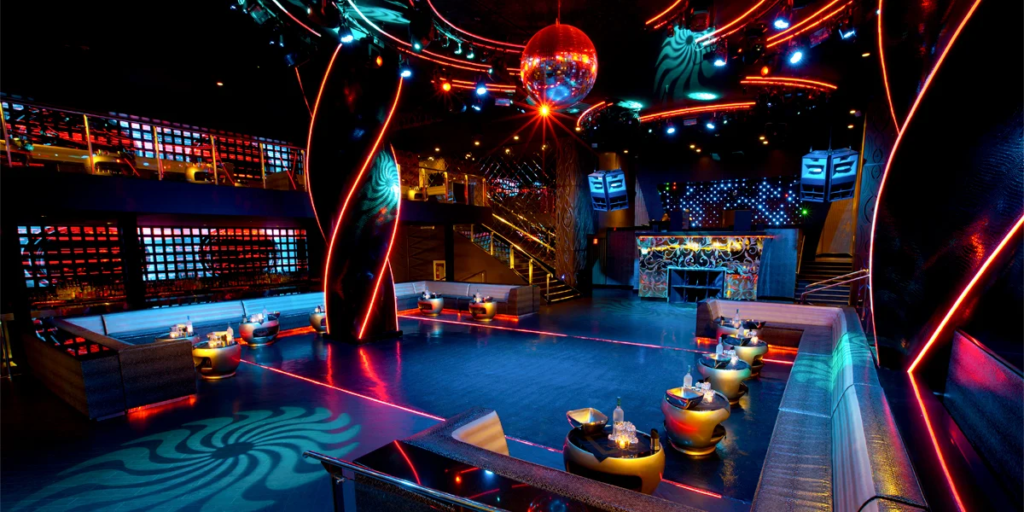
Step inside a casino nightclub and you’re not just hearing music—you’re experiencing a meticulously engineered atmosphere designed to keep you playing, drinking, and dancing. This sonic landscape is no accident; it’s a critical component of the venue’s architecture, as deliberate as the lighting, layout, and drink prices. From the hypnotic pulse on the gaming floor to the peak-time anthems in the main room, every beat is a calculated move in a high-stakes game of sensory influence. For the UK DJ culture blog reader, understanding this curation reveals a fascinating intersection of psychology, big-business nightlife, and the evolving skills of the modern club DJ.
The Psychology of the Casino Soundtrack
Before a track is ever queued, casino operators deploy sound as a behavioural tool. Academic studies and industry reports have long highlighted how auditory cues directly impact gambling behaviour and spending. The goal is a delicate balance: stimulating enough to create excitement and mask the passage of time, yet not so intrusive as to overwhelm concentration at the tables. This science shapes every decibel, from the slot machine banks to the private salons.
The Pulse of the Gaming Floor
Walk through the slot machine area of a venue like the Hippodrome Casino in London’s Leicester Square, and you’ll notice a specific sonic texture. Music here tends to be uptempo, often around 120-130 BPM, with bright, melodic loops and familiar pop hooks. This energy creates a sense of constant activity and fun, encouraging longer play. Conversely, the high-stakes tables at establishments such as Crown London Aspinalls in Mayfair employ a vastly different strategy. Here, the volume drops, and the genre often shifts to softer jazz, ambient, or classical. The lower tempo and harmonic complexity project an aura of sophistication and calm, allowing high-rollers to focus on their game without sonic pressure, fostering a sense of exclusive control.
Creating Zones with Sound
Effective casino design uses audio to create invisible boundaries. The transition from the buzzing gaming floor to a relaxed bar, or from a restaurant to a nightclub entrance, is often led by a gradual shift in the musical narrative. This zoning prevents auditory chaos and gently guides patrons towards different revenue centres—be it the roulette wheel, the champagne bar, or the dance floor. It’s a continuous, subconscious invitation to explore and engage.
From Vegas to the UK: A Residency Blueprint
The modern casino nightclub model was perfected in Las Vegas, where DJ residencies became multi-million dollar line items. Clubs like XS at Wynn and Hakkasan at MGM Grand transformed DJs into the headline attraction, guaranteeing a global party crowd. This model hasn’t been lost on the UK scene, where it’s been adapted with a distinct British flavour.
The Vegas Formula
The Vegas formula is built on scale, spectacle, and superstar branding. It involves:
- Mega-watt sound systems and production.
- Long-term, exclusive contracts with A-list international DJs.
- Sets focused on recognizable, peak-time EDM, hip-hop, and commercial house.
- A direct link between the DJ’s fame and the club’s cover charges and table service revenue.
UK Adaptations and Local Talent
UK venues have smartly localised this blueprint. London’s Hippodrome, with its multiple floors and dedicated Magic Mike Live theatre, books residencies that blend international acts with top UK talent, creating a more varied weekly programme. In Manchester, large-scale casino-linked events at spaces like Victoria Warehouse or collaborations inspired by the city’s massive Parklife festival energy bring a grassroots rave sensibility to the curated casino night. The focus shifts slightly from pure superstar spectacle to a credible nightlife experience that leverages homegrown DJ stars.
Curating the Nightclub Vibe: Energy vs. Elegance
Within the casino nightclub itself, the musical curation splits into distinct missions. The main room and the lounge serve different clientele and moods, requiring a DJ or programming director to be a master of both dynamics.
Main Room Mayhem
This is the engine room of the night. The sound here is designed for mass appeal and sustained high energy. Think commercial EDM drops, festival anthems, hip-hop bangers, and vocal-driven house. The tempo is high, the transitions are impactful, and the track selection is deliberately recognisable to keep a diverse crowd engaged and on the dance floor, driving bar sales. It’s a soundtrack of pure, unadulterated release.
The Lounge and VIP Experience
Adjacent to the main room, or in secluded mezzanines, the lounge area offers a sonic palate cleanser. Here, the music shifts to deep house, sophisticated tech-house, or downtempo electronica. The volume is lower, allowing for conversation, while the rhythmic sophistication maintains a cool, exclusive atmosphere. This sonic separation justifies premium bottle service prices and caters to guests—perhaps fresh from the high-limit tables—seeking a more refined, less chaotic environment.
The Role of the Casino Resident DJ
Spinning in a casino nightclub demands a unique skillset far beyond that of a standard club DJ. The crowd is a hybrid: dedicated dancers, curious tourists, and seasoned gamers taking a break. The resident DJ must be a consummate host for all of them.
More Than a Track Selector
A casino resident is an energy conductor. They must read a fluid, multi-motivation crowd and adjust in real-time. A sudden, jarring transition might clear a dance floor or, worse, startle a high-stakes player at a nearby table. UK DJs like Sammy Porter, known for his open-format prowess, or Charlie Hedges, with her keen sense of crowd connection, exemplify this adaptable style perfect for casino events. Their sets are exercises in controlled escalation.
Building a Sonic Narrative
The most successful residents build a story over four-to-six hours. They start with accessible, groovy house or indie-dance to welcome the early crowd, gradually layering in energy through well-known vocal tracks and hip-hop edits during peak time, before taking the dedicated dancers on a slightly more musical journey as the night wanes. It’s a long-format mix that prioritises flow and atmosphere over quick-fire drops.
Mixtape Culture’s Influence on Casino Sets
The ethos of UK hip-hop and garage mixtape culture—crafted on pirate radio and sold in street markets—has deeply influenced modern DJing, including in casino environments. The core principles of flow, exclusivity, and personal branding are directly transferable to the curated casino experience.
The Art of the Continuous Mix
Just as a legendary mixtape from a UK hip-hop DJ was a seamless journey, a casino nightclub set aims for zero dead air. The music must be a continuous, immersive blanket, keeping guests locked in the moment and on the premises. This non-stop flow minimises distraction and maintains the carefully engineered mood, whether that’s focused gambling or carefree dancing.
Exclusivity and Hype
Mixtapes built buzz through exclusive dubs and special blends. Similarly, casino operators like Grosvenor Casinos use bespoke music branding—specially commissioned tracks or edits that become synonymous with their venue’s identity. A resident DJ might drop an exclusive edit or a soon-to-be-released track from a headline act, creating a sense of “you had to be there” exclusivity that fuels hype and encourages return visits, much like a sought-after mixtape.
Ultimately, casino nightclub music is a powerful, calculated business tool. It shapes every aspect of the guest experience, from the moment they walk onto the gaming floor to their final dance in the main room. It’s a fusion of Las Vegas spectacle, psychological design, and the enduring UK soundsystem and mixtape culture, all mixed live by a DJ playing the most high-stakes set of their career: where every track directly influences the night’s revenue.